
Behind the Badge: What Real Detectives Face That TV Never Shows
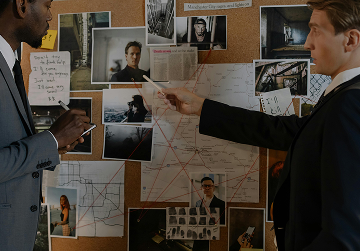
Crime shows have taught us to expect quick answers. A body is found, a few clues are collected, a suspect is interrogated, and within an hour, justice is served. It’s clean, fast, and oddly satisfying. But the reality of police work, as revealed in Cop Tales and a Mob Story by Philip Bulone, is far from that polished version. Behind the badge lies a world that is slower, heavier, and far more complicated than anything on screen.
The Weight That Doesn’t Fade
One of the biggest differences between fiction and reality is what happens after the case. On TV, detectives walk away once the job is done. In real life, they carry those moments with them.
In Cop Tales and a Mob Story, Philip Bulone shares experiences that don’t end when the paperwork is filed. Crime scenes are not just puzzles to solve. They are human tragedies. Detectives don’t just see evidence. They see victims, families, and the aftermath of violence in its rawest form. Those images stay. They come back at night, in quiet moments, long after the case is closed.
This emotional weight is rarely acknowledged in entertainment. Yet it shapes how detectives think, act, and live. It’s not just about solving crimes. It’s about absorbing them.
No Script, No Second Takes
TV detectives often seem to know exactly what to do. Every move feels planned. Real investigations are nothing like that.
In the world described by Philip Bulone, cases unfold unpredictably. Leads go nowhere. Witnesses change their stories. Evidence can be incomplete or misleading. Detectives have to make decisions without knowing if they are right. There is no script guiding them, no guarantee that the truth will come out.
This uncertainty creates constant pressure. Every choice matters. A missed detail can mean a lost lead. A wrong call can let someone slip away. Unlike TV, where everything ties together neatly, real cases often remain messy and unresolved.
The Silence That Protects Crime
Another harsh reality is the role of fear. In many of the stories in Cop Tales and a Mob Story, witnesses are reluctant to help. They are afraid.
Organized crime, especially in places like the Bronx where much of Bulone’s experience is rooted, thrives on silence. People know what happens when you speak up. Threats don’t have to be loud to be effective. Sometimes just a look is enough.
This creates a major challenge for detectives. Solving a case isn’t just about finding clues. It’s about breaking through fear. It’s about convincing people that telling the truth is worth the risk. And often, that’s the hardest part.
The Thin Line Between Trust and Doubt
TV shows often portray police departments as unified teams. Everyone is on the same side, working toward the same goal. Reality is more complicated.
Philip Bulone’s accounts hint at a deeper tension. Not every officer plays by the rules. Some are tempted by power, money, or connections. This creates a difficult environment for those who want to do the right thing.
For honest detectives, the job isn’t just about fighting crime on the streets. It’s also about navigating trust within their own ranks. Who can you rely on? Who might be compromised? These questions add another layer of stress that rarely makes it to the screen.
Time Moves Differently in Real Cases
On TV, time is compressed. Investigations move quickly. In reality, time stretches.
Cases can take weeks, months, or even years. Progress is slow. There are long periods of waiting, followed by moments of intense activity. Detectives have to stay focused even when nothing seems to be happening.
In Cop Tales and a Mob Story, this slow grind is clear. The work requires patience and persistence. There is no instant payoff. Sometimes there is no payoff at all. Yet detectives keep going, driven by a sense of duty that goes beyond recognition or reward.
The Human Side of the Badge
Perhaps the most important thing that Philip Bulone brings out in Cop Tales and a Mob Story is that detectives are not just professionals. They are people.
They have families. They have fears. They have limits. The job doesn’t switch off when they go home. It follows them. It shapes how they see the world. It affects their relationships and their sense of normalcy.
This human side is often missing from popular portrayals. We see the badge, the authority, the action. But we don’t see the cost. The long hours, the emotional strain, the moments of doubt. These are the parts that define the real experience.
Why the Truth Matters
So why does it matter to understand the difference between TV and reality?
Stories like Cop Tales and a Mob Story by Philip Bulone remind us that justice is not simple. It is not fast. And it is not guaranteed. Behind every case is a complex web of people, choices, and consequences.
Recognizing this doesn’t make the work less admirable. It makes it more so. Real detectives operate in a world where answers are hard to find, and the stakes are always high. They don’t get dramatic music or perfect endings. What they get is the responsibility to keep going, even when things don’t go their way.
The Reality Behind the Badge
At the end of the day, the badge is more than a symbol of authority. It represents responsibility, resilience, and sacrifice.
Cop Tales and a Mob Story strips away the illusion and shows what the job really looks like. It’s not about dramatically chasing villains. It’s about facing harsh realities, making tough calls, and carrying the weight of what you’ve seen.
And maybe that’s what makes these real stories more powerful than anything on TV. They don’t offer escape. They offer truth.